
Riverside · Generator Services
Industrial Generators
Large diesel standby and prime power for warehouses, manufacturing, cold storage and logistics, from load study to AQMD permit to annual load bank test.
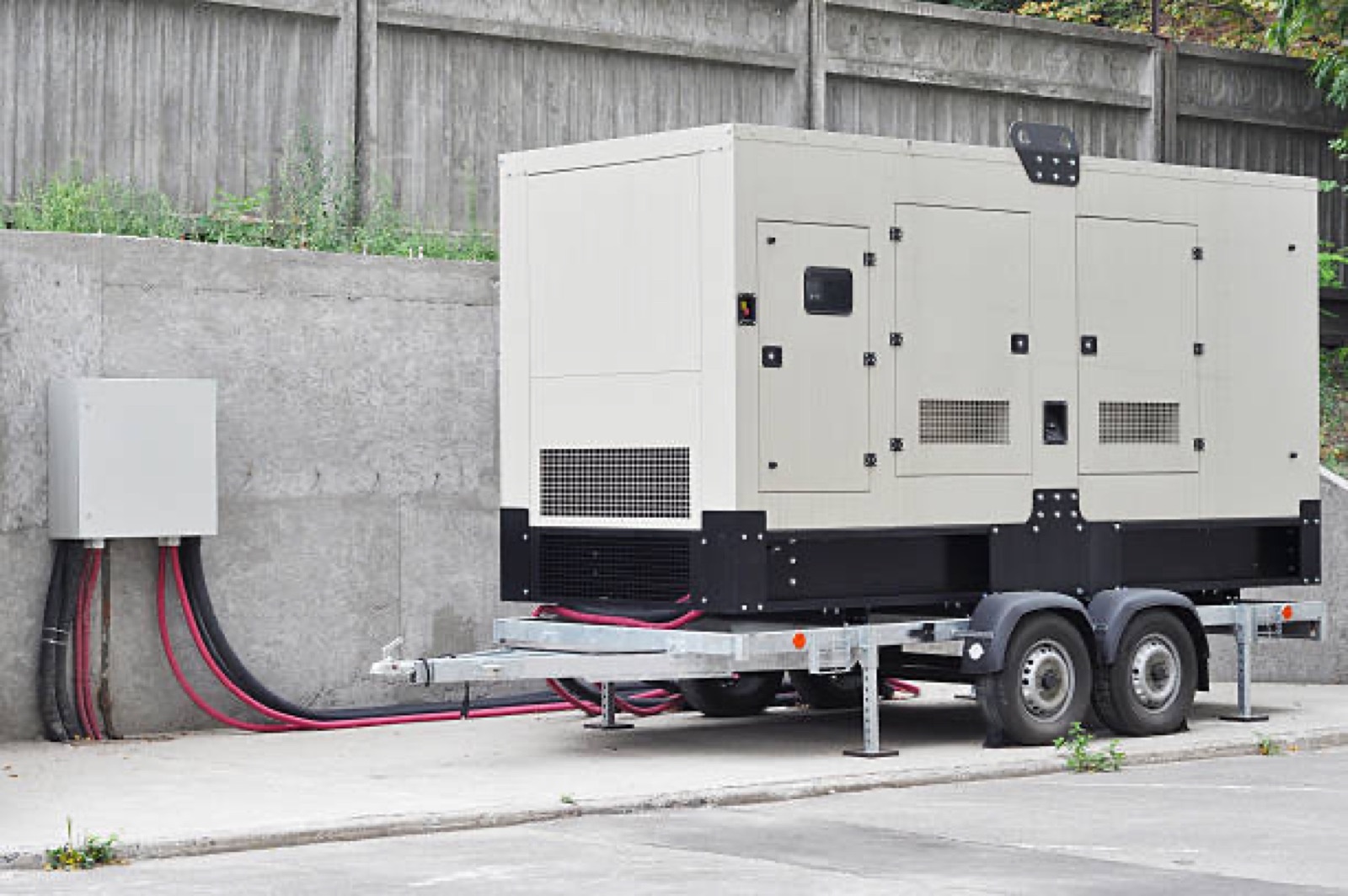
Industrial Generators · Riverside
Industrial Standby Power In The Inland Empire
Industrial generators are a different discipline from home standby, not just a bigger version of it. The machines are liquid-cooled diesel engines from roughly 100kW to well over a megawatt, the switchgear is a designed system rather than a catalogue item, and the paperwork is a real part of the project: a South Coast AQMD permit for the engine, city building and electrical permits, and a commissioning record your insurer and your auditor will eventually ask to see. We work across the logistics corridor that runs from Ontario and Fontana through Jurupa Valley, Perris and Moreno Valley, which means cold storage, food processing, distribution centers, metal fabrication and the data rooms that sit inside all of them. The technical work starts with an honest critical-load study, because the difference between backing up a whole building and backing up the systems that genuinely cannot stop is frequently a factor of three on the price. We also rent, so a plant that needs coverage during a shutdown or a load test can take a towable unit from the same yard rather than finding a second vendor.

Why Use Us On Industrial Work
Industrial standby fails in two ways: the system was never sized for the real starting loads, or it was installed correctly and then never tested under load again. We do the load study before quoting rather than sizing off the utility bill, which is a running-load document and tells you nothing about motor inrush. We file the AQMD permit ourselves, because a stationary emergency engine that runs without one is a compliance problem attached to a capital asset. And we put every industrial installation on a documented maintenance and load bank schedule, since a generator that has not carried real load since commissioning is a machine nobody can honestly call a backup. We are local, so a fault call in Fontana or Ontario is a short drive rather than a next-day appointment.
- Critical-load study first, so you are not paying to back up an empty warehouse.
- Motor starting and inrush calculated properly, which is what undersizes most industrial systems.
- South Coast AQMD permit to construct and to operate, prepared and filed by us.
- Annual load bank testing with documented results for insurers and auditors.
- Diesel fuel management: polishing, testing and delivery scheduling on long-duration sites.
- Towable rental units from the same yard for shutdowns, testing and overflow.
Reasons To Install An Industrial Generator
The industrial sites that need this are usually driven by one of these, and often by several at once:
Refrigerated product
Cold storage in Fontana, Perris or Mira Loma can lose more value in one summer afternoon than the entire generator costs. This is the clearest financial case in the whole category and the one insurers ask about first.
Continuous process equipment
Ovens, extruders, plating lines and anything with a curing cycle do not just stop when the power fails, they scrap the batch in progress and then need cleaning out before they can restart.
Conveyor and sortation systems
A distribution center where the sorter stops has a building full of people standing still and a shipping commitment that does not move. Restart is not instant either.
Life safety and code requirements
Emergency lighting, fire pumps, smoke control and elevator recall are code-driven loads with their own testing regime. These are legal obligations rather than business decisions.
Data and control rooms
The WMS server room, the SCADA cabinet and the network core. A UPS covers the first few minutes; the generator is what covers the rest of the day.
Contractual uptime commitments
Third-party logistics operators and contract manufacturers increasingly sign uptime terms, and a documented standby system with load test records is what makes those defensible.
Send us a single line diagram and a critical-load list and we will come back with a sized system, a permit path and a real number. Call: (951) 540-3536
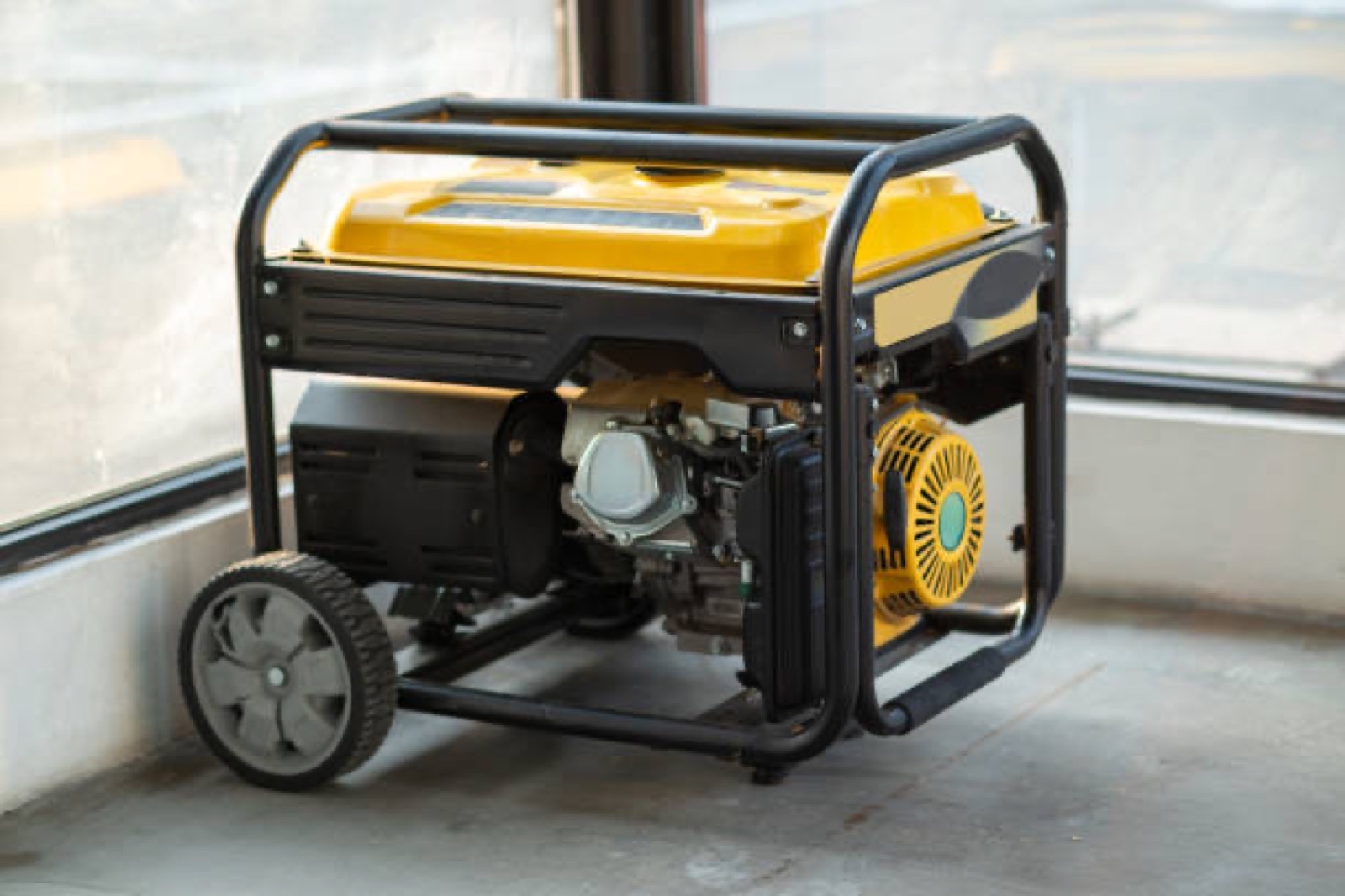
How An Industrial Project Runs
Study, permit, install, commission, then a testing schedule that keeps it real.
1. Load study and system design
We walk the plant, take the connected loads and the starting characteristics, agree what is genuinely critical, and design around that. Motor inrush, harmonics from drives and step-load acceptance all get calculated rather than assumed.
2. Permits and procurement
City building and electrical permits, plus the South Coast AQMD permit to construct for the engine. Long-lead switchgear and large sets are ordered early because the lead time, not the labor, sets the programme.
3. Install and integration
Pad or vault, set and align, fuel system, exhaust and silencing, cooling and ventilation, then the switchgear and controls integration into your distribution. Cutover is planned around your production schedule, not ours.
4. Commissioning and load bank test
Full load bank test to prove capacity, transfer tested in both directions, alarms and remote monitoring verified, and a commissioning document you can hand to an insurer. Then it goes onto the annual testing calendar.
Diesel Sets, Fuel, Permits And Testing
The parts of an industrial system that determine whether it works on the day:
Diesel generators
Diesel dominates industrial standby because it delivers the most power per dollar of engine, accepts large step loads without stalling, and stores its own fuel on site independent of any utility. The trade is emissions permitting, fuel maintenance and noise, all of which are manageable and none of which are optional.
Sizing and step loads
Industrial sizing is about whether the set can accept the largest block of load in one step without the voltage or frequency dipping outside tolerance. Large motors, fire pumps and UPS systems with poor input characteristics all make this harder, and it is the calculation that separates a system that works from one that trips at the worst moment.
Paralleling and redundancy
Two or three medium sets in parallel often beat one large one: you get redundancy, you can service one without losing all coverage, and the set runs closer to its efficient load band. It costs more in switchgear and is worth it on sites where a single point of failure is unacceptable.
South Coast AQMD permitting
Stationary compression-ignition engines in this basin need a permit to construct and a permit to operate, and emergency standby engines are limited to a defined number of maintenance and testing hours per year, commonly 50. Exceeding those hours or running for non-emergency purposes changes the permit category entirely. We file the application and set the exercise schedule to stay inside it.
Fuel storage and polishing
Diesel degrades. On a machine that runs an hour a month, the fuel in the tank can be years old, and water, microbial growth and asphaltenes are what plug filters during the one event you needed the engine for. Sampling, testing and polishing belong on the maintenance schedule alongside the oil change.
Load bank testing
A monthly no-load exercise proves the engine starts. Only a load bank test proves it can carry the building, and it also burns off the wet stacking that light-load running causes in a diesel. Annual testing at rated load, documented, is what insurers and auditors are actually asking for.
Trailer-mounted and mobile sets
Not every industrial requirement should be permanent. Shutdowns, seasonal peaks, tenant fit-outs and the outage window while a permanent set is serviced are all better solved with a towable unit. We rent them from the same yard and can bring switchgear to match.
Remote monitoring
Modern controllers report start failures, low fuel, low coolant, battery condition and run hours straight to a phone or a building management system. On an unmanned site this is the difference between finding a fault on a Tuesday and finding it during an outage.
What Industrial Generators Cost
Industrial projects are priced as systems rather than machines, and the engine is often only half of it. Broadly, installed systems run from the low tens of thousands for a small packaged set into the high hundreds of thousands for large paralleled installations. The drivers:
- Capacity, in kilowatts, and whether the design is standby, prime or continuous rated.
- Switchgear. Automatic transfer, paralleling controls and any custom distribution are frequently the largest single line.
- The critical-load decision. Backing up defined systems rather than the whole service is where most of the saving lives.
- Site work. Pads, vaults, structural steel, exhaust routing, ventilation and acoustic treatment vary enormously between buildings.
- Fuel system. Base tank, bulk storage, containment, transfer pumps and any fire-code separation.
- Permitting and emissions. AQMD permit fees and any emissions after-treatment needed to meet current tier requirements.
- Ongoing testing. Annual load bank testing and a maintenance contract, which is an operating cost rather than a capital one.
We quote from the load study, itemised, so you can see what each part of the critical-load list is costing you. Sites that only need coverage for a defined window are usually better off with an industrial generator rental, and smaller buildings normally belong on a commercial standby system instead. The full picture of what we install and maintain is on our Riverside generator page.
Frequently Asked Questions
How do you size an industrial generator?
From the connected load and its starting characteristics rather than from the utility bill. The utility bill is an average running load and hides the thing that actually matters, which is the largest step of load the set has to accept at once. Large motors, fire pumps, chillers and UPS systems all draw far more starting than running, and a set that is fine on paper can dip out of tolerance and trip when they hit it. We take the schedule of loads, work out the worst case sequence, and size for that with headroom for the growth you already know is coming.
Do I need an AQMD permit for a diesel generator?
In the South Coast basin, which covers all of our service area, stationary compression-ignition engines above a modest size need a permit to construct and then a permit to operate. Emergency standby engines are restricted to a limited number of hours a year for maintenance and testing, typically 50, and running beyond that or using the engine for non-emergency purposes such as peak shaving puts it into a different and much more demanding permit category. We prepare and file the application, supply the engine and emissions data, and set the exercise schedule so the site stays inside its hour allowance.
Why does a generator need a load bank test?
A load bank is a portable resistive load we connect to the generator so it can be run at its rated output without the building needing to consume the power. It proves the set can actually carry what it was sold to carry, and it burns off the unburnt fuel and carbon deposits that build up in a diesel that only ever runs lightly loaded. Monthly no-load exercising proves the engine starts, which is not the same thing. Annual load bank testing is the normal standard, documented, and it is what insurers, code officials and auditors ask to see.
How long can an industrial generator run continuously?
As long as fuel, oil and cooling allow, which on a properly designed system means days rather than hours. A standby-rated set is intended for the duration of an outage with a limited number of running hours per year; a prime-rated set can run continuously with a varying load. Runtime in practice is a fuel storage question: a base tank might give 8 to 24 hours at full load, a bulk tank gives days, and beyond that it becomes a delivery schedule. On long events, priority fuel contracts are worth having in place before the event rather than during it.
Can you install a generator without shutting the plant down?
Most of the installation happens with production running: the pad, the set, the fuel system, the exhaust and the majority of the electrical work are all outside the live distribution. The cutover to the transfer switch does need an outage window, and that window is planned around your schedule, usually a weekend or a shutdown. Where even that is not acceptable, we bring in a temporary rental set to carry the critical load during the cutover so the plant never sees a dark minute.
Do you service generators you did not install?
Yes, and a large part of our industrial work is exactly that. We maintain and repair Cummins, Caterpillar, Generac Industrial, Kohler, Detroit and MTU equipment on sites where the original installer is long gone, and we take over service contracts on machines that have not been load tested in years. The first visit on an inherited machine is normally a full inspection and a load bank test, because until it has carried real load nobody can honestly say what it will do.
Need a generator in Riverside?
Tell us what has to keep running and where it is, and we will come back the same day with a free estimate and a fixed price.
Or call us now: (951) 540-3536