
Riverside · Generator Services
Commercial Generators
Standby systems for offices, clinics, restaurants, shops and light industrial buildings, sized to the equipment that cannot stop.
Commercial Generators · Riverside
Standby Power For Inland Empire Business
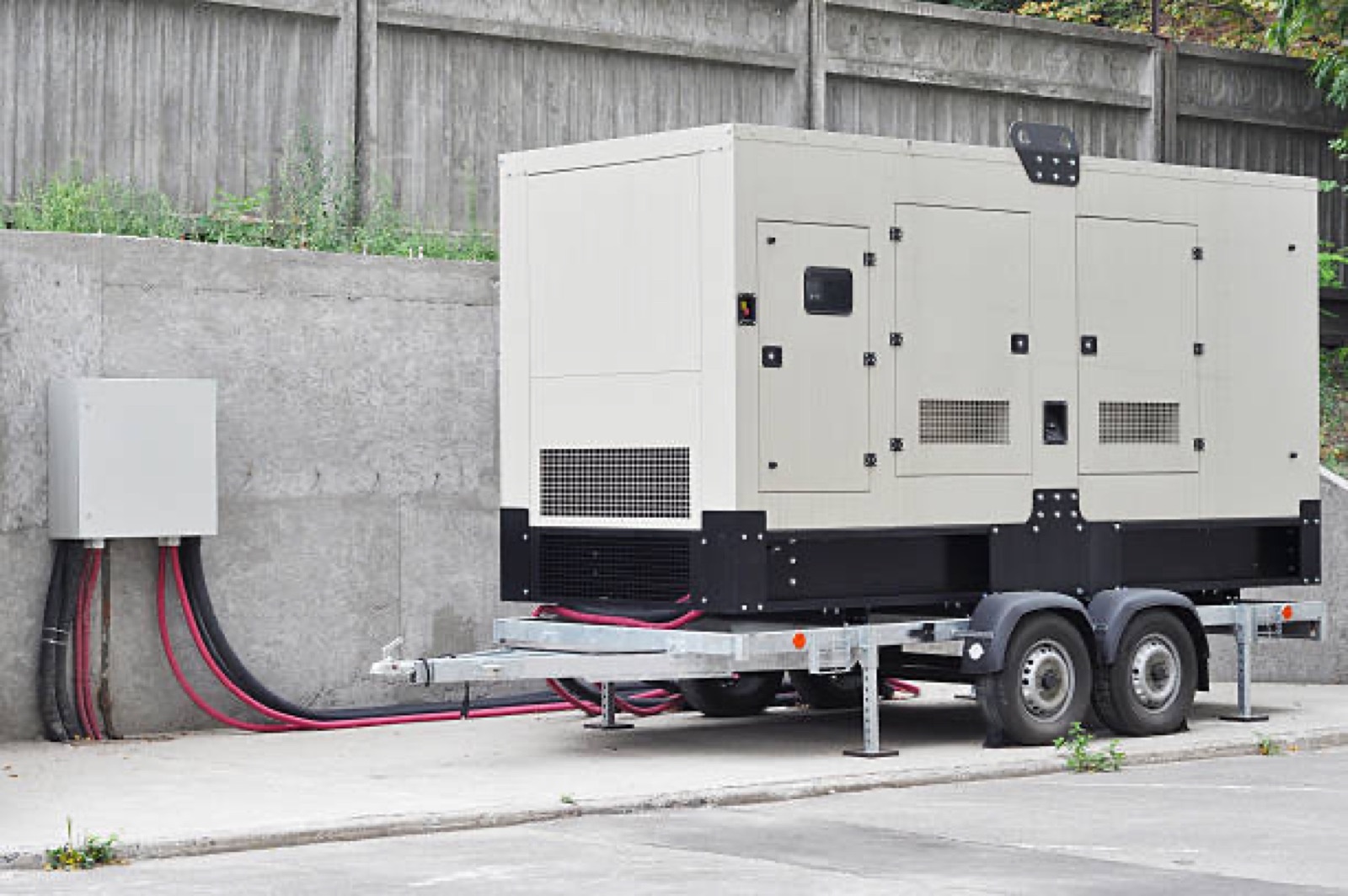
A commercial generator sits between a home standby unit and a full industrial installation, and it is where most Riverside businesses actually belong. Think 25kW to 150kW, natural gas or diesel, wired to an automatic transfer switch that carries a defined critical panel rather than the whole building. That covers a dental practice keeping the sterilizer, the vacuum and the records system alive, a restaurant protecting a walk-in cooler and a point of sale, a professional office keeping servers, phones and enough lighting to work, a self-storage or logistics yard keeping gates and cameras up, or a small manufacturer keeping one line moving. The economics are simpler than people expect: the cost of the system compares against a few days of closure a year, and in the case of refrigerated stock it compares against the stock itself. We install, we file the permits, and we carry the ongoing commercial generator maintenance that keeps warranties and insurance requirements intact. Buildings that need more than about 150kW, or that have life-safety loads and heavy motor starting, are properly industrial generator projects and we scope them that way.
Why Businesses Use Us
Commercial customers care about two things beyond price: that the system works during the event, and that the paperwork is right when someone asks. We handle both. Sizing comes from a walk-through and a critical-load list agreed with you rather than from a package brochure, which usually finds a smaller and cheaper machine than the first assumption. Permits are ours, including the air district permit on stationary diesel engines. And every commercial install goes onto a documented maintenance schedule, because a generator with no service record is a liability at insurance renewal rather than an asset. We are a local Riverside company, so a fault call from Fontana, Ontario or Moreno Valley gets a truck the same day rather than a ticket number.
- Critical-load walk-through with you, so you buy the machine your business needs rather than the one in the catalogue.
- Natural gas or diesel, sized around your actual equipment and its starting loads.
- Building, electrical and air district permits filed and closed out by us.
- Maintenance contracts with documentation for insurers, landlords and franchise requirements.
- Emergency service across the Inland Empire, seven days, on all major brands.
- Rental units available to cover you during a shutdown, a fit-out or a repair.
Reasons A Business Needs Standby Power
The commercial jobs we quote almost always trace back to one of these:
Refrigeration you cannot afford to lose
Restaurants, markets, pharmacies and labs all hold stock that is worthless after a few hours warm. This is the fastest payback in the whole category, and it is the reason most food businesses eventually call.
Regulated or clinical equipment
Medical and dental offices have sterilizers, vaccine refrigerators and records systems with compliance obligations attached. A documented standby system is part of meeting them, not just a convenience.
Revenue that stops when the lights do
A shop that cannot take payment, a restaurant that cannot cook and a gym that cannot open are all losing a day of trading every time the grid fails, and fire-season shutoffs are measured in days.
Data, security and access control
Servers, cameras, gates and card readers are a small electrical load with a large consequence. Covering only those is often a surprisingly modest system.
Lease and franchise requirements
Plenty of commercial leases and franchise agreements now specify backup power for tenant-critical systems, and a landlord asking for evidence wants a commissioning record and a service history.
You already lost a day this year
The most common reason anyone calls us in September is that they were closed in August. The cost of that day is usually the number that makes the decision straightforward.
Tell us what has to stay running and for how long, and we will price the smallest system that genuinely does it. Call: (951) 540-3536
How A Commercial Install Works
Scoped around your trading hours, with the disruptive part planned rather than improvised.
1. Walk-through and critical load list
We go through the building with you and agree what is critical, what is desirable and what can go dark. That list drives the generator size, the transfer switch type and about half the final price.
2. Design, quote and permits
Fixed quote covering equipment, install, permit and commissioning. We file building and electrical permits, plus the AQMD application if the engine is a stationary diesel, and we tell you the real lead time on the equipment.
3. Install around your hours
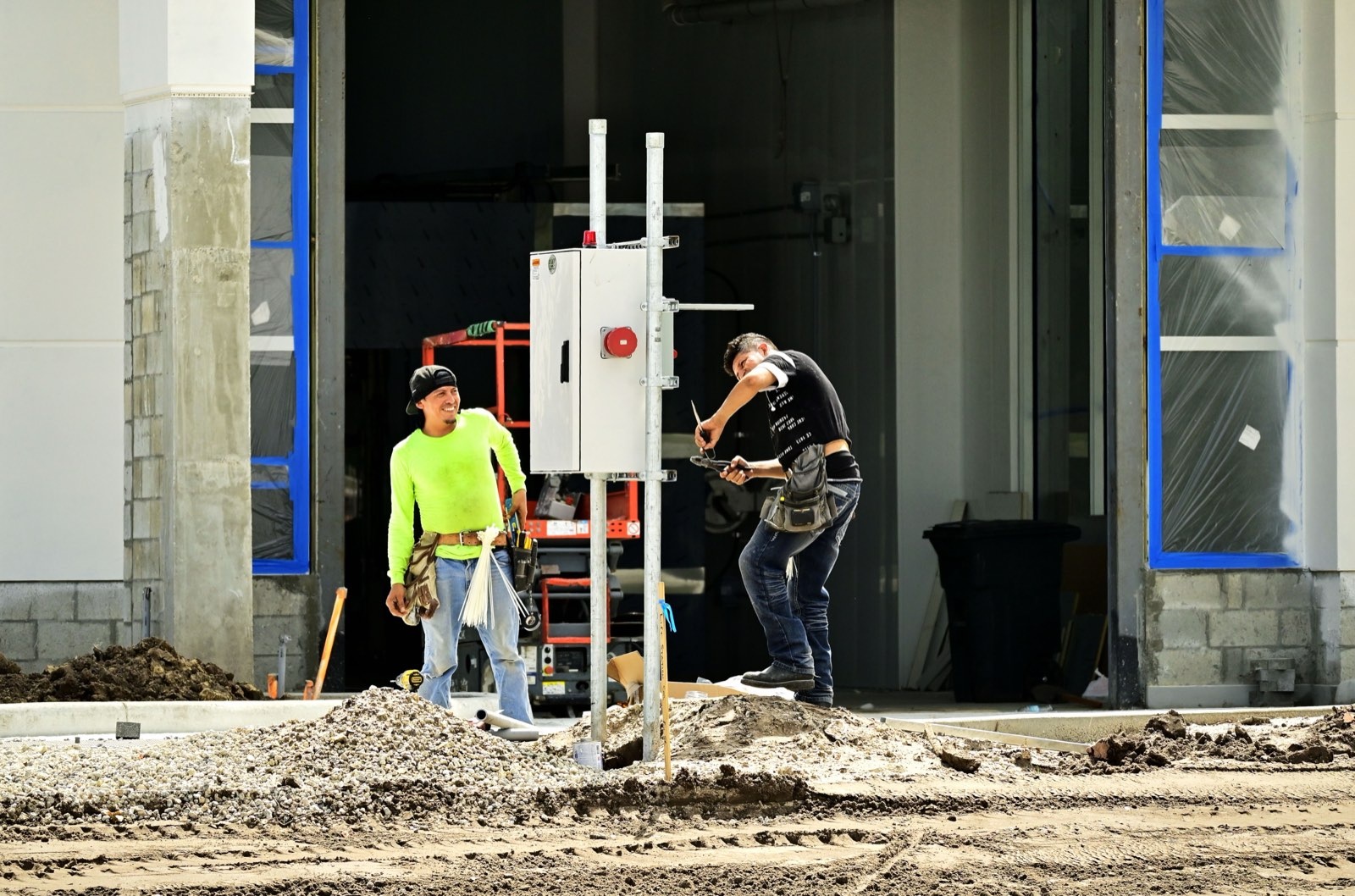
Pad, set, fuel, exhaust, wiring and transfer switch. The only part that needs the power off is the switch cutover, and that gets scheduled for an evening, a Sunday or whenever your building is quietest.
4. Commission, document and maintain
Transfer tested under load in both directions, alarms and remote monitoring verified, commissioning record issued, exercise schedule set inside the permitted hours, and the site added to the maintenance calendar.
Systems, Fuel, Service Plans And Compliance
What a commercial standby package usually includes, and the options underneath it:
Natural gas commercial units
For buildings with an adequate gas main, a gas set removes fuel storage, fuel ageing and most of the emissions permitting burden in one move. It is the default for offices, clinics and retail up to a size where diesel becomes more economic.
Diesel commercial units
Diesel wins on larger loads, on heavy motor starting and where fuel independence from the utility matters. It brings a base tank, a fuel maintenance regime and an AQMD permit with it, all of which are routine when handled by somebody who does them weekly.
Cummins generator installation
Cummins is the workhorse of the commercial classes: strong engines, good controllers, wide service network and excellent parts availability. It is the brand we specify most often on medium commercial installs where the customer plans to keep the building for a long time.
Automatic transfer switching
The switch decides what your generator protects. A critical-panel switch is cheaper and forces a useful conversation about priorities; a service-entrance switch covers everything and costs more. Delayed transition and closed transition options exist where equipment cannot tolerate even a momentary break.
Commercial generator maintenance
Quarterly or semi-annual inspections with an annual full service is the normal commercial standard, covering oil and filters, coolant, fuel condition, battery load test, controller check and a transfer test. It is the record, not just the work, that keeps insurers and landlords satisfied.
Emergency generator service
Twenty-four hour response on contracted sites. Most emergency callouts turn out to be batteries, fuel or controller settings rather than the engine, which is exactly why the scheduled visits are worth the money.
Commercial generator rental
For fit-outs, planned utility work, seasonal peaks or covering a repair, a towable set on a weekly or monthly rate is far cheaper than rushing a permanent install. We rent from the same yard and can bring cable and distribution to match.
Monitoring and reporting
Remote monitoring reports start failures, low fuel, battery condition and run hours, and it also logs the hours you are permitted to run for testing. On multi-site operators this replaces a lot of phone calls with a dashboard.
What A Commercial Generator Costs
Commercial systems typically run from around $15,000 installed for a small gas set on a critical panel to well over $100,000 for larger diesel installations with service-entrance switching. What moves it:
- Size and fuel. Gas sets are simpler and cheaper to permit; diesel costs more up front and handles larger and harder loads.
- How much of the building you cover. A critical panel is dramatically cheaper than the whole service, and it is the decision worth spending time on.
- Transfer switch type and rating, including whether the equipment can tolerate an open transition.
- Site work. Roof, vault or ground placement, structural support, exhaust routing and acoustic treatment.
- Permits. Building and electrical everywhere, plus AQMD on stationary diesel engines.
- Service plan. Quarterly or annual visits, load testing where required, and documentation for insurers.
Quotes are fixed and itemised, so the cost of each item on the critical list is visible before you commit. Larger plants belong on an industrial generator scope, small offices are often better served by a backup power system, and if the need is temporary the generator company covering the Riverside area that installs these also rents them.
Frequently Asked Questions
How much does a commercial generator cost to install?
Small commercial systems covering a critical panel start around $15,000 to $25,000 installed, mid-size systems for clinics, restaurants and offices commonly run $30,000 to $70,000, and larger diesel installations with service-entrance switching go well past $100,000. The generator itself is often only half the project; switchgear, site work, fuel systems and permitting make up the rest. Because the critical-load decision changes the total so much, we quote after a walk-through rather than over the phone.
How often does a commercial generator need servicing?
The normal commercial standard is quarterly or semi-annual inspections with one full service a year, plus weekly automatic exercise. A full service covers oil and filters, air and fuel filters, coolant condition, belts and hoses, a battery load test, controller and alarm checks and a transfer test. Sites with life-safety loads, insurance requirements or franchise obligations often need annual load bank testing on top, with documented results. We do the work and issue the record, because on a commercial site the paperwork gets asked for as often as the machine gets used.
Can you install a generator on a rented building?
Yes, and it happens constantly in the Inland Empire because so much commercial space is leased. It needs the landlord in the conversation early, since the equipment is usually a permanent alteration and the lease will have something to say about it. Where the term is short or the landlord is difficult, a rental unit on a monthly rate, or a skid-mounted set that can leave with you, is the practical answer. We have done both often enough to know which questions the landlord will ask.
Will a generator cover my whole business?
It can, but it rarely should on the first system. Covering the entire electrical service means paying for capacity to run everything at once, including the loads that could comfortably go dark for a day. Most businesses get better value from a critical panel that carries refrigeration, servers, security, essential lighting and one air conditioning zone, at a fraction of the size and cost. If the building later needs full coverage, a system designed with that in mind can usually be extended rather than replaced.
How quickly can you respond to a commercial breakdown?
Contracted maintenance customers get 24-hour emergency response, and because we are based in Riverside rather than dispatching from Los Angeles or Orange County, a call from Fontana, Ontario, Perris or Moreno Valley is a short drive. Most emergency calls are batteries, fuel problems, coolant or controller settings rather than serious engine faults, and we carry the common parts on the truck so the majority are fixed on the first visit.
Need a generator in Riverside?
Tell us what has to keep running and where it is, and we will come back the same day with a free estimate and a fixed price.
Or call us now: (951) 540-3536